
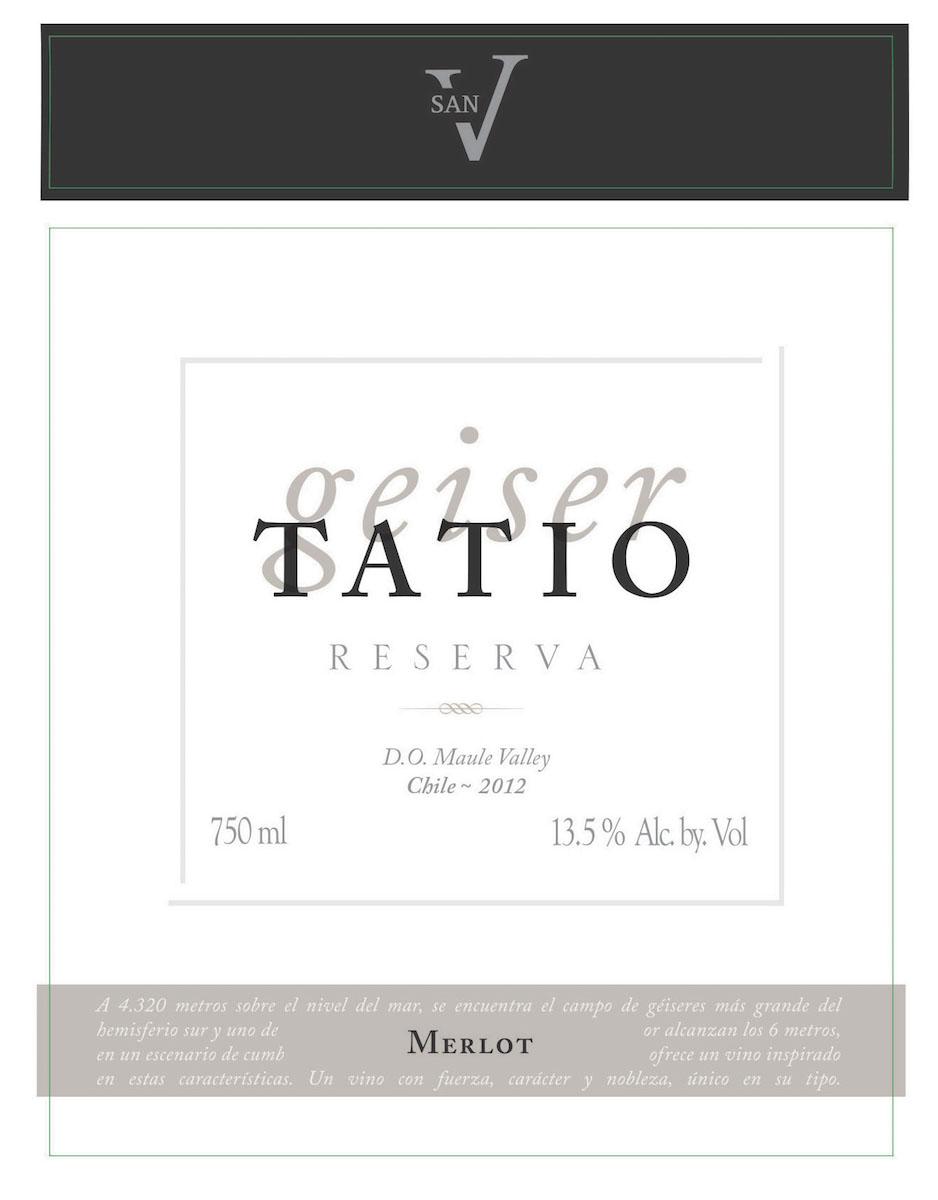
2012 Maule Valley Merlot
The Geiser Tatio Tatio Reserva is a captivating Merlot produced in the esteemed Maule Valley, showcasing the best of this celebrated Chilean wine region. This red wine offers a full-bodied experience with a luscious texture that envelops the palate. Its acidity is bright and lively, perfectly balancing the fruit intensity, which bursts forth with notes of ripe blackcurrants and subtle hints of plum. The tannins are firm yet approachable, providing structure without being overwhelming. This exceptional vintage from 2012 is also dry, allowing the complex flavors to shine through and making it an excellent companion for a variety of dishes, from grilled meats to rich pasta dishes. Indulging in a glass of Geiser Tatio Tatio Reserva is a delightful journey through the rugged landscapes and vibrant terroir of the Maule Valley.
The Geiser Tatio Tatio Reserva is a captivating Merlot produced in the esteemed Maule Valley, showcasing the best of this celebrated Chilean wine region. This red wine offers a full-bodied experience with a luscious texture that envelops the palate. Its acidity is bright and lively, perfectly balancing the fruit intensity, which bursts forth with notes of ripe blackcurrants and subtle hints of plum. The tannins are firm yet approachable, providing structure without being overwhelming. This exceptional vintage from 2012 is also dry, allowing the complex flavors to shine through and making it an excellent companion for a variety of dishes, from grilled meats to rich pasta dishes. Indulging in a glass of Geiser Tatio Tatio Reserva is a delightful journey through the rugged landscapes and vibrant terroir of the Maule Valley.


